Embracing & Evolving Strangeness When in Recovery
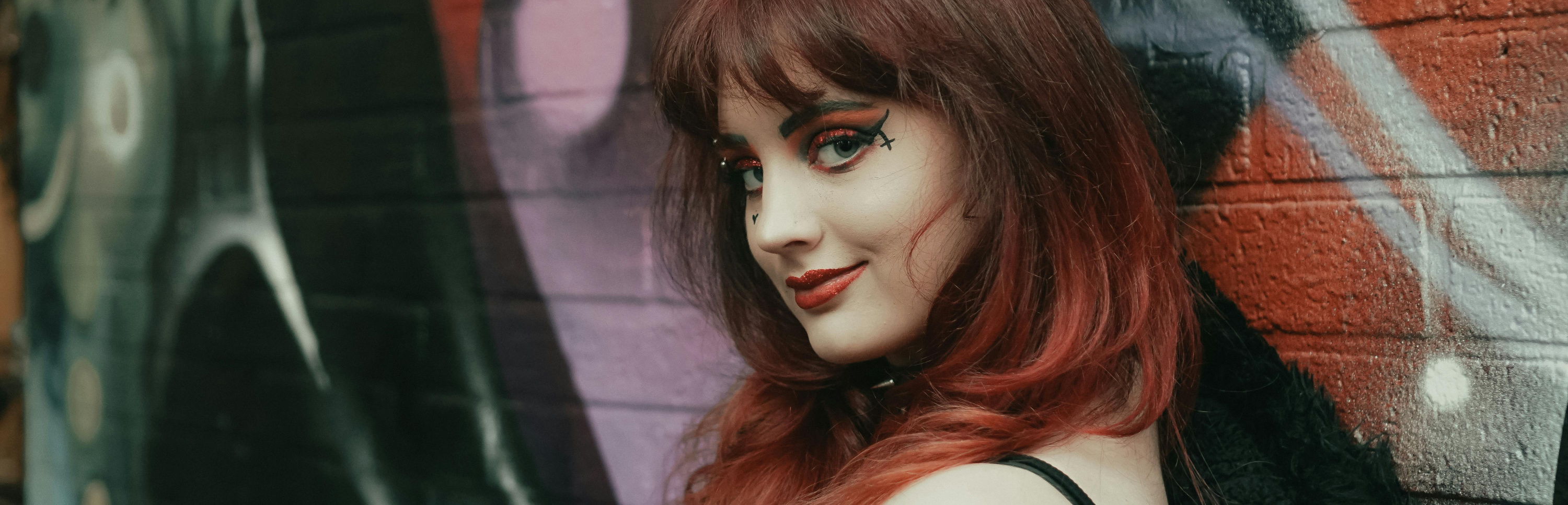
In our modern world ruled by social media, Instagram perfection, filters and now AI, the idea of being imperfect humans can feel more daunting, shameful and isolating than ever. As we grow in a society that strives for perfection, demanding performance and expectations of great things, regardless of our deeper desires, skills, talents or interests. The rules of what is desirable become narrower and more discussed or publicly debated than ever before.
Cancel culture, public shaming and the rise of “normal or nah” comparative discussions all aim to find some agreement on what is or is not an acceptable way to express yourself or be human.
Leaving no room for error, exploration and being wrong. The risk feels too great for many as we create a culture of fear around making mistakes, being offensive or toeing the line between what is considered socially acceptable or politically correct and what is personal opinion, insight and unique perceptions or interpretations of the world. Our interpretations of our experiences must fit neatly into a box of what is considered the correct response, negating the wide variety of human experience and the expansive nature of an evolutionary process or a healing and recovery journey.
We are left fighting with ourselves to hide what we think, feel or how we choose to live for the preferences and comfort of others, our community and now the wider world at large.
Humans are diverse; we share commonality, but we also carry vastly different cultural influences, expressions, and ways of meeting our needs. This is inherent, required, and a normal part of nature.
Even our own personal and spiritual growth requires that we challenge ourselves, change our perceptions and consider other viewpoints often to simply remain sane, mature or find our resonant identity and authentic expressions. Our integrity and alignment are found through the exploration of what we prefer, what we like or dislike and how we choose to live. Learning comes from asking questions, trying new things, daring the unknown and making mistakes.
Yet online and media culture continually introduce the question, “Is this normal?”
We compare naturally; we assess power dynamics and seek out groups where we belong, because, evolutionarily speaking, belonging creates safety. But the concept of creating a sense of “normal” has begun shaping humanity into something uniform, reflecting the same principle as farming. We might wonder why this would be preferable; perhaps it is only to some, or meets the collective need to control. When farming, monocultures are easier to control and to monetise.
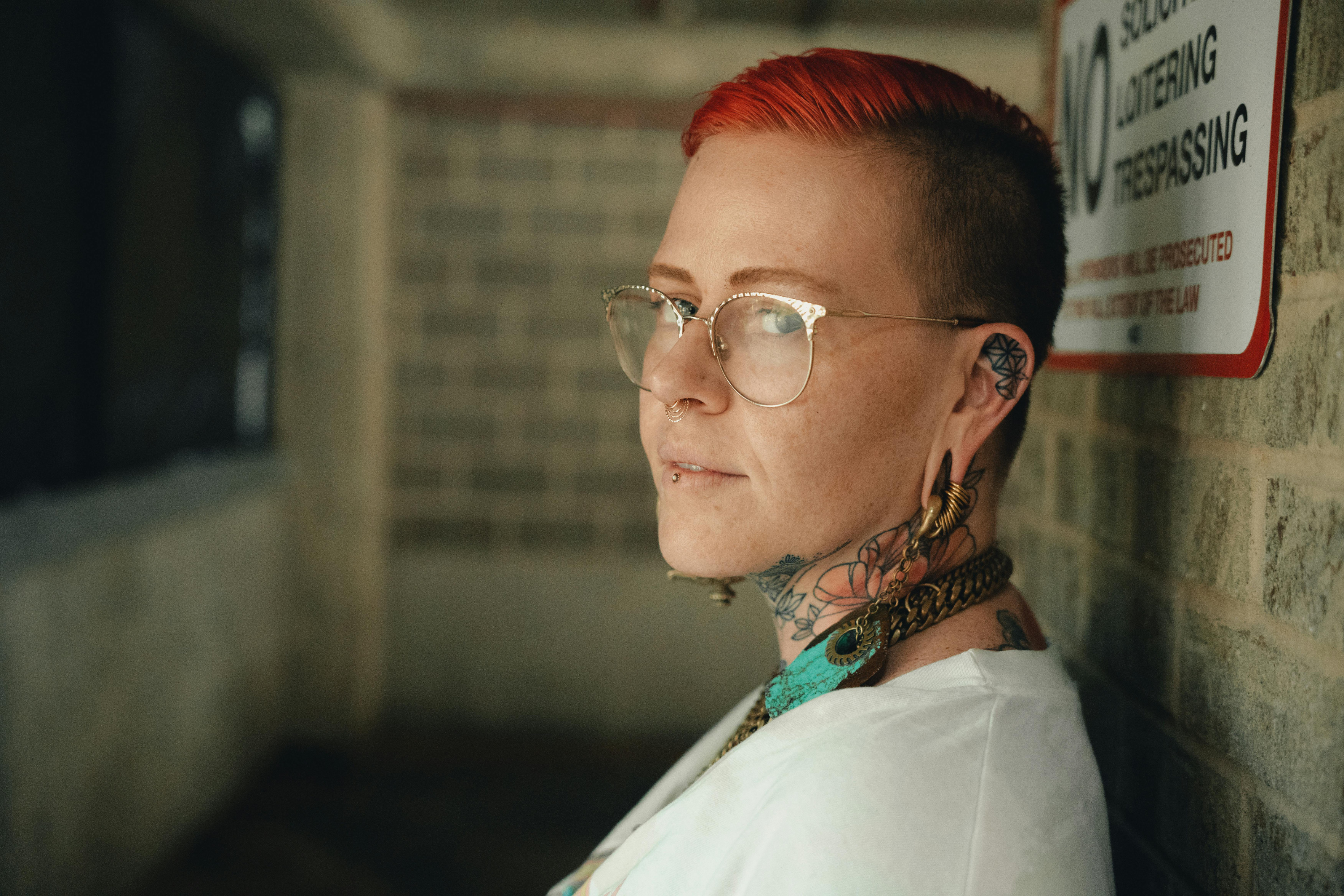
Alongside media, over time, psychiatry and the medical sciences have labelled strangeness as something to be fixed, studied and corrected. Even our education systems have often attempted to reduce uniqueness, creativity, and authentic expression. We are actively taught to comply with the group, follow the preferred schedules and ideas of others regarding the trajectory of our lives, do what is required, not what is alive in us to do.
This does not happen in isolation; it reflects a broader pattern of control that has become normalised in our society.
Now, almost every struggle or difference can be given a label, a diagnosis or a disorder that explains it. Our desperation to be functional, to fit in and be considered or seen as acceptable would have us define ourselves to simply gain some compassion or understanding that we might not always be those things. The need for this type of explanation is often rooted in fear or shame, an aspect of the collective and individualised ego with a need to define, to secure identity, to feel certain of our place in the world.
Our need to fit in begins to replace a deeper desire for acceptance. An innate craving of our soul to be as we were designed to be and loved for that version of ourselves. Acceptance is being wanted for who we are; fitting in is abandoning ourselves in exchange for validation from the group.
One creates connection; the other creates disconnection from self.
Then there is the other extreme, the rebelling and push back becomes celebrated, wanted, desirable, and considered heroic. Where now being strange has become an identity in itself. Not innately wrong or bad, but regardless of the motivation for the expression, whether inherent or a choice, the attachment to it, the creation of the self-construct around an idea, ultimately can limit us.
There is nuance here. We do not need to exist without form or identity, while we also do not need to be in a constant state of explaining, justifying, or defending our strangeness, struggle or oddity through labels. Labelling culture has become so normalised now. As we are confined to neat tick boxes so others know who we are, predictable and understandable types and patterns. Yet none of us is these things. The assumption that simply because I am, this label or have that identity means a certain thing, is nonsense. No human fits within the clear definition of what we might like to assume that they are.
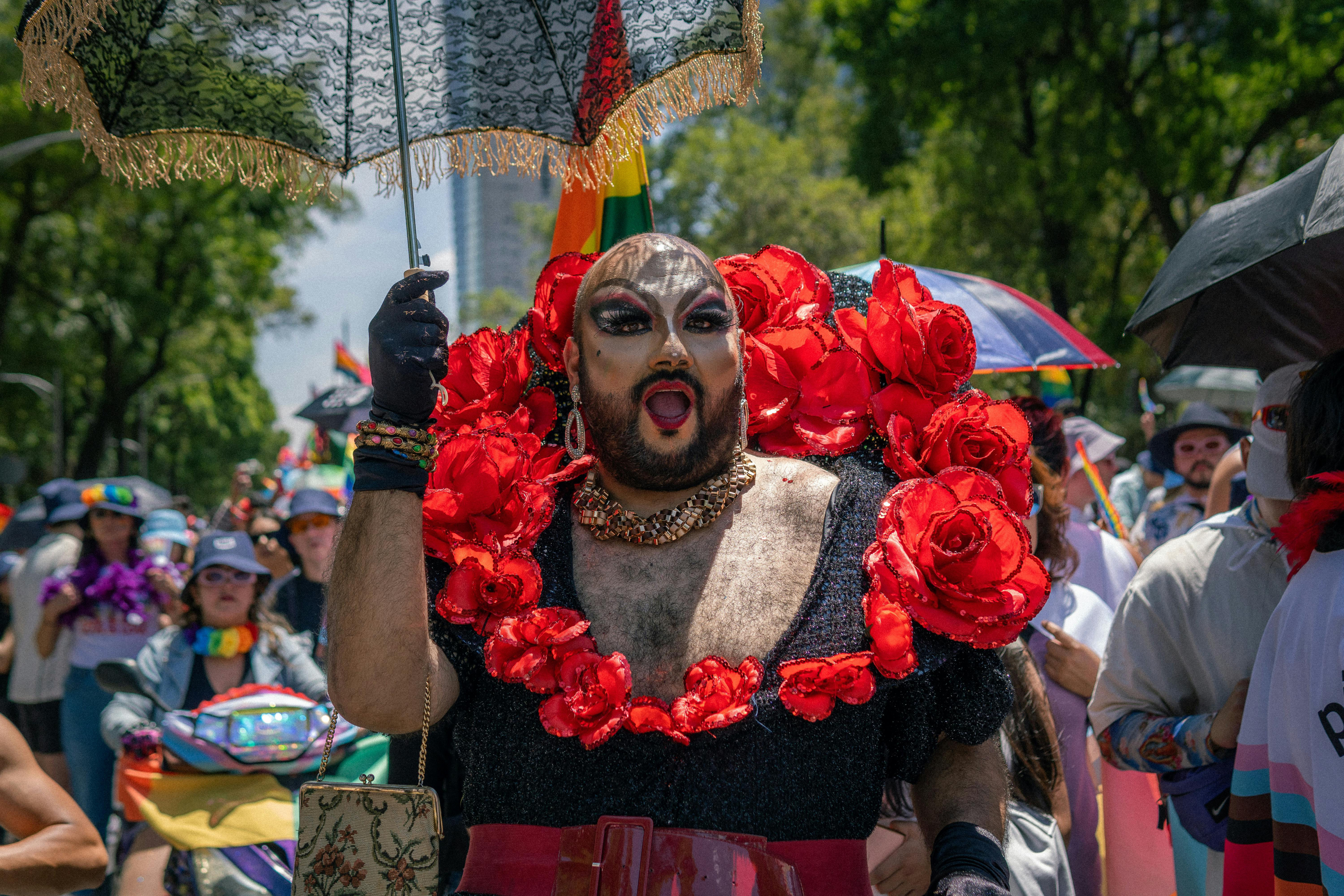
Labelling culture, in itself, is usually perpetuated from a place of compassion, desire, ease of understanding, to meet needs, to correctly cater for the unusual or the misinterpreted. But it does not help us in the long term as part of a bigger picture. Consider who began demanding we identify ourselves, and who began to create more and more need to clarify that identity. Perhaps consider why.
Labelling culture can fix identity; it forms rigidity in the ego and can limit both our evolution and our connection to nature and to something greater.
Our need to have a label and identity to gain compassion, empathy, support or understanding strips us of our humanity. Creates a culture of judgment that fails to assume we can never know another until we meet and embrace each unique person and experience or circumstance. Understanding that we can not find the appropriate solution or meet their needs based on a label, assumption, or a set of boxes ticked on a form.
When we consider trends in ideas of neurodiversity, sexuality, race, and queerness, those identities have all evolved to make assumptions that they create a community of themselves. That is because people have a label and identity marker in common, so there is a mutual commonality. Which is not true.
Not true to a degree that would demand simply because someone is gay or was diagnosed with ADHD, for example, that they think, feel, act and respond a certain way, that they have certain needs and desires that can be correctly assumed from the marker they identify with. Of course, we can assume if a person declares they are gay, that we know their usual sexual preference, or if someone says they were diagnosed with ADHD, that they have struggled in certain ways in the past. But beyond that, we know little else about them.
These cultural markers of identity become so expanded within social media conversation, suddenly something like being gay assumes someone to have certain ideas about how to dress, what they want to do when socialising or in relationships, how they think about sex and gender. Or if you have been diagnosed with ADHD, you have certain (fixed) traits, experiences or struggles that are universal when they are not. There is such diversity within any or all of those labels, one simply cannot be defined by the identity, label or community alone.
In our need to understand and accept or even celebrate diversity, we make strangeness something unusual when in reality it is not.
Strangeness does not automatically equate to disability or divergence beyond what is natural. It is part of the diversity that exists throughout nature. There is always nuance, difference, and unique traits. It is part of evolution and the natural progression of species and life’s alchemy in motion.
In many ways, strangeness is what draws attention; it is often part of attraction, of selection, of reproduction. We are attracted to people who catch our attention, perhaps because they have something unique or unusual about them. We are more inclined to want to reproduce what stands out to us, is interesting, or that catches our desire.
To stand out invites recognition; to fit in offers protection. Both of these dichotomies contrast to find balance for what is most important to life, at the time. As we ebb and flow through the development of individuality and natural selection, to the need for security and stability as we become more vulnerable and dispersed through that process.
This happens in my ways in nature and is part of our human nature and culture as it develops.

Beyond the initial ideas of strangeness relating to identity, there is also a more complex line when we consider strangeness, culture, and behaviour in relation to harm. What is considered normal in one culture, time, or place may be abusive in another. And in many cases, what causes harm can be attributed to ignorance. What seems strange to a Western traveller is completely acceptable and normal to the native tribe. Yet it is given its label of strangeness through the perception of the one who is visiting.
As we grow and learn and expand, as we have more data and experience for comparison, we judge and compare. Yet also in the contrasting dynamics, as we know less, all that diverts from our knowing seems odd to us.
This can be witnessed on a personal and a global scale. As the internet exposes us to more widely explored culture than ever before, as we are more educated than we have previously known to be, we compare, discuss and judge:
What is normal?
What is acceptable?
What is safe?
What is tolerable?
As we begin to understand that others did not know what we know, or that each one sees and experiences the world uniquely, through their lens of perception, it can be an ease on our suffering. This understanding of our experience may first create a burden and eventually, as we explore further, a relief.
Knowing that what one does is normal to them, even when it is odd to us. When we can begin to see the hurt that was imposed on us, the judgment, the labels, names or abuse that can stem from being strange. Bullying, or even neglect, violence and the cultural harm our personalised experiences can have when we engage with the world, it might hurt. Understanding ignorance does not remove the impact of it; harm is still harm. But it can support the process of healing when we see that all is odd and strangeness is a part of all human life.
It can help us to forgive and let go of our pain or the effects of trauma as we evolve beyond it, ultimately as we embrace more of others' strangeness and explore and accept more of our own.
There can be grief, even outrage, when we realise that what we experienced as normal was actually neglect or abuse. But to move beyond it, to heal from those experiences, the shame or the states of emotion as we face them, given a new perception or world view, we may need, at least in part, to understand the intention behind it:
Was it malicious?
Did the person know any different or better?
From their perspective, was this the best, most appropriate and sensible choice?
Ignorance, although not excusable in all circumstances, is relatable.
Even if we do not forgive, we do not have to tolerate and maintain what is strange. Nor do we have to erase the whole of the culture that brought us that perception. What matters is that we change the behaviour; we end its continuation. We become accountable for not repeating harm.
Because, where ignorance is absent, once we know better, we are challenged to do better. Where someone knows the impact of their actions and continues regardless, this moves into maliciousness. As we evolve and see beyond strangeness in this circumstance, we are faced with the challenge of being more aware than those who harmed us and, therefore, more integral and aligned. This is part of the individual and collective evolution process.
This can be true for ourselves, too. As we may have embraced strangeness as part of our personal exploration or healing journey, we may have gained benefits. Or as we change, we may realise things we do (to) ourselves actually cause us harm or have negative consequences. We might grow to realise that it no longer serves us any more. When we see our strangeness is actually causing us harm in some way or limiting us now, it's important to reflect:
Can we then evolve to release what was strange about us, and allow ourselves to become normal, to let go of oddity and heal through simplicity?
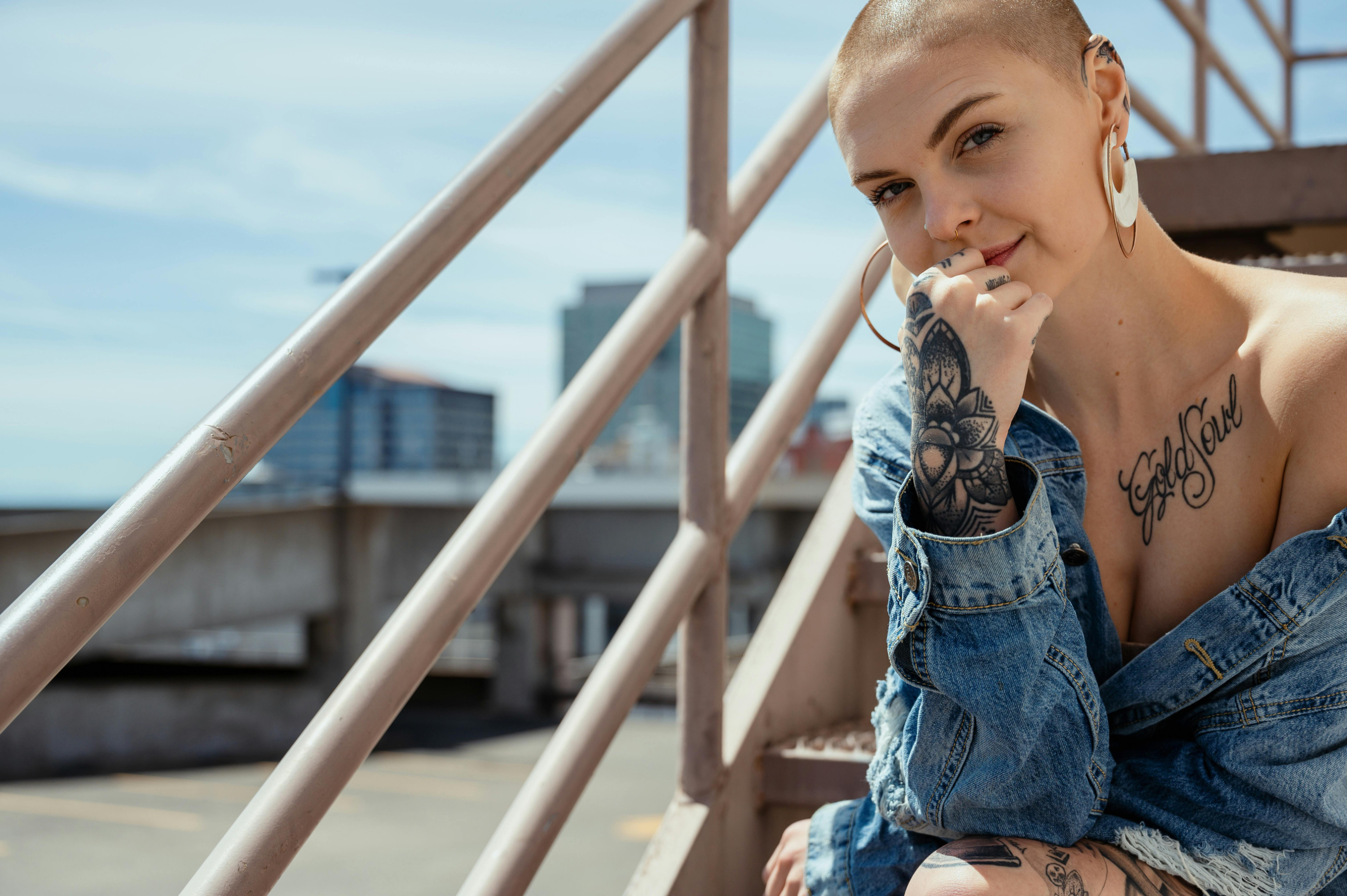
Bringing these two understandings together to contemplate, as we heal, we can consider how we face and embrace our strangeness, while healing from the effects of it.
As humans, we are all narcissistic to some degree; we must value ourselves and meet our needs to survive. We know that manipulation exists within human nature, just as it exists throughout nature itself. The distinction lies in intention and method. When manipulation is used to limit, control, or suppress, it becomes abuse. When it is used to guide, to bring awareness, and to support change, it can be part of a healing process.
We seek labels and understanding to explain our struggles; this is natural. But our struggles themselves are often natural, necessary, and part of our evolution. But when we attach to a label that defines something, when it is used as a defence, explanation, or to keep a situation fixed and is used to avoid growth, when we remain in a state of limitation, we deny our own potential. At some point, we must be willing to put the label down; to grow beyond it, and not rely on it as the mechanism for healing. These can be labels we apply to ourselves or to others.
We allow things to be wrong so that we can become right, and we allow our rightness and wrongness to always change as our experiences, growth and perceptions or perspective do.
We embrace our strangeness so that we can accept it, and where necessary, heal it. It does not usually aid us to choose to be strange purely for the sake of it; this can create isolation and further fragmentation. At times, strangeness is exaggerated as a way to gain attention or as a form of protection, pushing others away to avoid vulnerability. It is even a natural part of our growth at times, when we consider adolescence, for example.
Non-conformity can appear as a radical form of resistance. Yet when we identify with being non-conforming, we can become fixed there also; the identity itself can limit further evolution. True non-conformity is simply being ourselves; following our nature toward alignment and healing.
The balance is found in alignment and in an honest relationship with the consequences of how we exist.
Can I live with the consequences my strangeness creates?
Is this an innate part of me, or is it a pattern or defence mechanism I am choosing?
If our strangeness leads to harm, toward ourselves or others, then it requires healing. If it leads toward connection, growth, reproduction, or genuine thriving, then it is something to be embraced.
As we recover ourselves, unmask or evolve beyond the identities we have adopted or been given. As we heal through a process of realising and accepting abuse and then perhaps beyond to forgiveness and understanding of how we can release ourselves from states of victimhood or resentment, our process of healing can lead us through and to both embrace and then release ideas of strangers and conformity.
It is our journey to understand where and when those lines of experience are, and as we grow, we will explore what it means for each of us.
Today, what we embrace as strangeness may be our recovery story from tomorrow. What we suffered for as odd yesterday can be our greatest championing or authenticity today. What we thought was normal for a lifetime can suddenly become the challenge of our lives to overcome. This is the natural ebb and flow to be embraced as part of a healing and recovery journey.
Additional Support
To understand more about how identity changes and moves as part of healing and recovery, I recommend reading our blogs on Identity & Personal Transformation.
If you are interested in this post, you might also benefit from the following videos:
The unmasking video explores what I found as the pros and cons of my unmasking process.
Reparenting Video explores how time and culture can shape what is considered normal and how I processed childhood abuse and neglect as I healed.
At Love School, we also explore aspects of identity when healing and in recovery as part of our course and content.
Freedom From Illusions considers how we create reality, how media, groups, and other people can all influence how we think and therefore how we identify and what we create for ourselves.
Building Your Energetic Power considers our energy, capacity and evolution process. Exploring how we grow beyond our mind, identity and our constructed reality to embrace our nature as an energetic, creative being.
Being Yourself in Relationships is an introductory process inviting you to consider your preferences, embrace authenticity, and how to express yourself in aligned ways. We look at dynamics in relationships that help to support your expression and create connections without codependency.
Read about how Love School Started & How to make the most of the space here
Introducing Love School
Love School began with real experience and, after years of experimenting, research, and personal understanding of healing and recovery through natural, holistic methods.
Read our dedicated blog posts explaining what the space is about, why it was created and how you might use it to support your own healing or recovery journey.
Love School Pathways
What is Possible In Natural Recovery?
Love School Origin Story
Join Our blog Mailing List!
Share your details here to have our blog posts delivered to your inbox for free!
Looking to Explore More...
Blog Categories
Browse More of our blog Posts!
We cover a holistic range of blog categories to support the different stages of your healing or recovery journey.
As part of an ecosystem mindset, we offer insights into the interconnected areas to consider to create a balanced lifestyle.
Browse through our other blog categories below:
Browse Love School Shop!
Explore Love School Courses, Membership & support Services