Why Trauma Makes You Want to Disappear

Hide is a trauma response that I noticed, which is possibly one of the most common responses, and I don't see it talked about often or publicly. It's not listed within the usual trauma response resources, and it's often linked to some of the other responses. This is potentially why it's not discussed, or perhaps it seems so obvious we can't see the wood for the trees! So, I am introducing it to you and the Love School community to be aware of.
This can be physical hiding, if we're about to be attacked, or to avoid a threat, we hide somewhere. We might lock ourselves in somewhere during the event to avoid or prevent it. In a physical, environmental threat such as a storm, hurricane, or there's an earthquake, we are actively taught to hide, get under a table, get into a doorway, or lock ourselves somewhere that someone can't get in. It's a common, sensible response to many traumatic circumstances.
I first noticed this response as a trigger and realised the connection through it to one of my past trauma experiences. I had initially escaped from the event when I locked myself in a bathroom. But it wasn't until years later that I realised that when I had been triggered, I had done the same thing. I had locked myself in a bathroom.
Nobody else was around, so I wasn't protecting myself from anyone. But the trauma response during the trigger had been to lock myself in this bathroom. That experience brought my awareness to this trauma response and the trigger response in me.
The motivation to hide may present as an ongoing trigger response, as we can replay past actions that were successful in protecting us and helping us survive a situation.
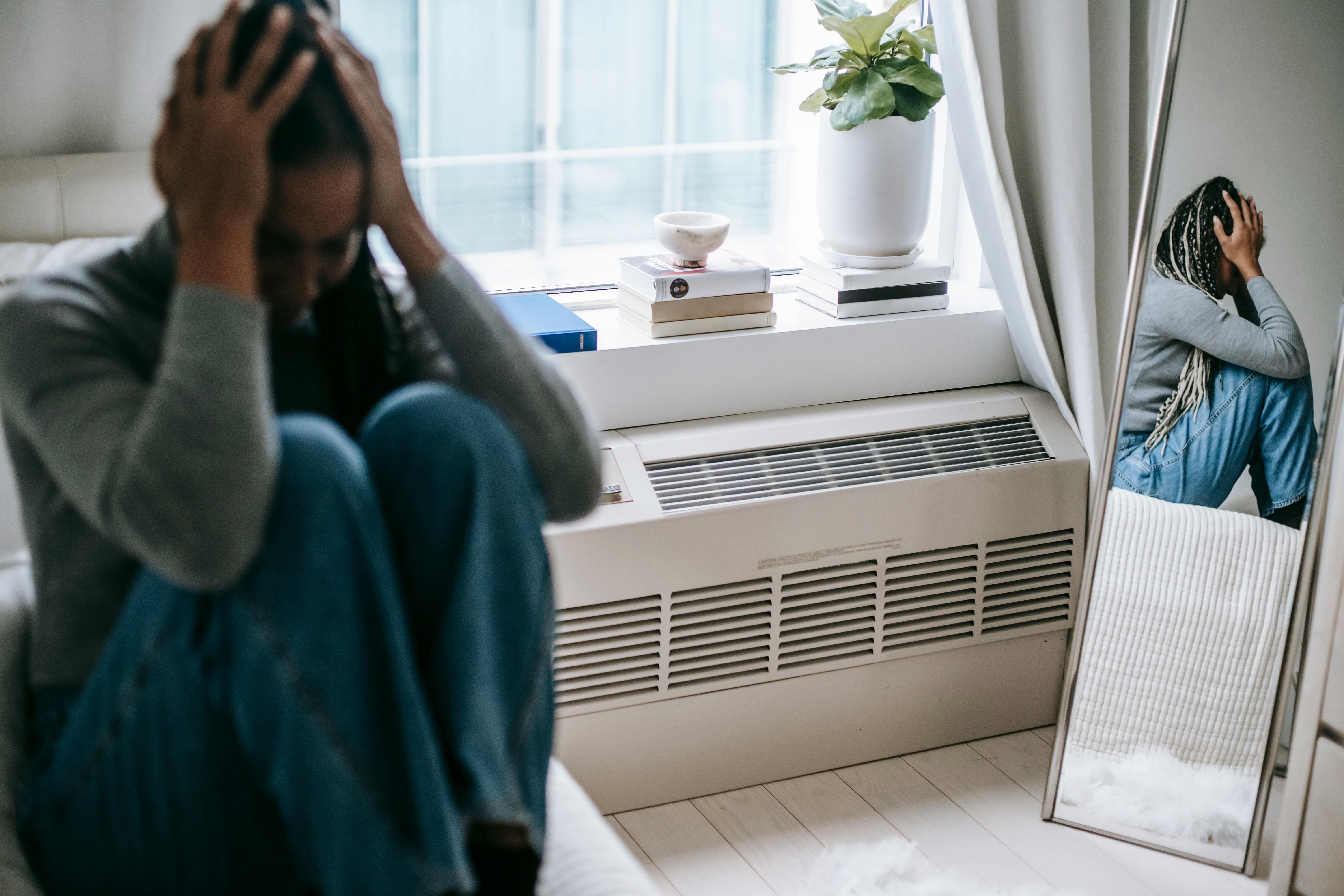
The hide response can also manifest in many other ways in our lives post-trauma due to triggers or as an ongoing trauma response. It may also be effective immediately after a traumatic event to protect us while we are vulnerable, healing, recovering from shock or processing our experiences.
The response is also linked with some of the other trauma responses as well, if the original response is an ineffective one or an additional survival support strategy. For example, we might run (in a flight response) and then hide. Or we might fight back, then run or hide after initially engaging in conflict. If we choose to run and we continue to move, then we are more likely to be seen, followed or noticed as a target. If we run and hide, then we can't be seen so easily. It's a primal instinctual response that makes a lot of sense when we consider it.
Often, hiding is associated with the freeze response in trauma education or descriptions, but I see it as very different. Freeing involves an inability to move, while hiding is a choice to seek a safe place and stay there until we feel safe enough to move again. Think rabbit stuck in the headlights, which looks more like a freeze response, being stuck when we want to move. Where hiding is choosing to move to hide in a ditch (exploring a visual example here!)
Physically, when hiding, we are isolating ourselves from the world or other people, trying to prevent the initial risk or trying to prevent any further injury or energy expenditure. We feel safer when we are locked away and are reducing external interference or risk.
Long-Term Hide Responses
Locking ourselves away from the world can also manifest through hiding our behaviours over time. This can be physical and obvious, such as developing agrophobia, isolating or choosing a solitary lifestyle.
But this can also include hiding anything that we think (consciously or subconsciously), especially when we might have been processing a trauma that we have linked with ideas about why we might have been chosen, targeted or noticed by a perpetrator or abuser.
It stems from the meaning we have given to why this happened to us. We can start to mask and hide certain aspects of ourselves. So that might include:
Certain behaviours.
Ways we express ourselves.
How we present ourselves to others. It could be through our clothes, how we style our hair, wearing makeup or not wearing makeup, dressing a certain way or not dressing a certain way.
Trying to hide or minimise the cues of our identity.
Stopping ourselves from standing out and wanting to blend in. We can also hide in a crowd so we're not picked out, targeted, or seen as a threat; we do not want to stand out in any way.
It can even be standing out in extreme ways to present as more confident, unapproachable, or to mimic people others tend to generally avoid. This would be hiding our vulnerability through the appearance of boldness.
These behaviours can manifest in a myriad of different ways. It can be:
Not speaking up in group situations,
Not wanting to show off any talent,
Not wanting to put our work out there in the world.
There are so many ways that it can manifest as a hiding, especially if it is adopted as a long-term strategy that we might not be consciously aware of.

We might also suddenly make a drastic change post-trauma or after a trigger that seems more obvious. Like suddenly changing our routine, clothes or moving away from people or environments.
Another way this can manifest is also hiding from our responsibilities, from the consequences of our actions, or hiding the consequences of trauma in our lives. This might be to prevent us from appearing vulnerable (when we are), to reduce further risk to us at the time of healing. It can be due to feelings of powerlessness as a result of the event that stays with us when our confidence is not regained, and the event is not fully processed and integrated.
We might also hide the trauma from ourselves. For example, the reason why, years later, after a trauma, we find memories or the effects coming up for us is because we've hidden them. We can have hidden them from ourselves as a subconscious response, believing our confidence will make us less vulnerable. We want to hide the effects or avoid admitting how we have been changed, hurt or have responded. We develop deep fears of showing any weakness to help us survive and (appear to) move on.
As you feel stronger or as you grow up and mature with more experience to draw from, or when our situation is more stable, you begin to come out of hiding. The traumatic response or memory comes out of hiding, and we're called to acknowledge and process it.
All of this is a primal, intuitive and subconscious response. This type of hiding is part of dissociation and is a protective response to allow us to keep functioning within our current environment.
Understanding and noticing the hiding response, processing it all has been important for my recovery and helped me to uncover my authentic self, show up more as I am, show who I am and get comfortable with being myself.
It's been part of a longer-term healing and recovery process, and admitting to the consequences of my trauma, I had been suppressing and hiding. Through the process, I had to learn to be vulnerable and stop hiding the impact it had on my life, to myself and others.
Especially with complex trauma, relational trauma, abuse or family trauma. We may have even been encouraged to hide abuse or neglect, and been threatened that if we don't, further consequences will arise. It may have been a condition of our survival and an unspoken rule of our childhood experiences.
We can hide a lot of aspects of ourselves through fear and stress. It can manifest as hiding our identity in many environments due to the risks we perceive or are reinforced in the world. It can be to do with our culture, sexuality, age or ability. We might have to hide aspects of ourselves in different environments, for example, at work or school, to avoid being targeted or to try to reduce ideas or discrimination based on our identity.
We will be able to tell if this is a trauma or stress response and not a choice when there is a story attached to our reasoning why we are behaving or presenting as we are or do. For example:
I need to wear this fashion item, or I will be bullied.
If I don't straighten my hair, people will see me and try to touch it.
I have to dress (like everyone else), or I will be racially abused or bullied.
I have to hide my walking stick in public, so I am not picked on.
If I wear this dress, I might be assaulted.
If we're hiding aspects of ourselves due to stress, self-preservation, self-protection, or fear, it could be linked with complex trauma.
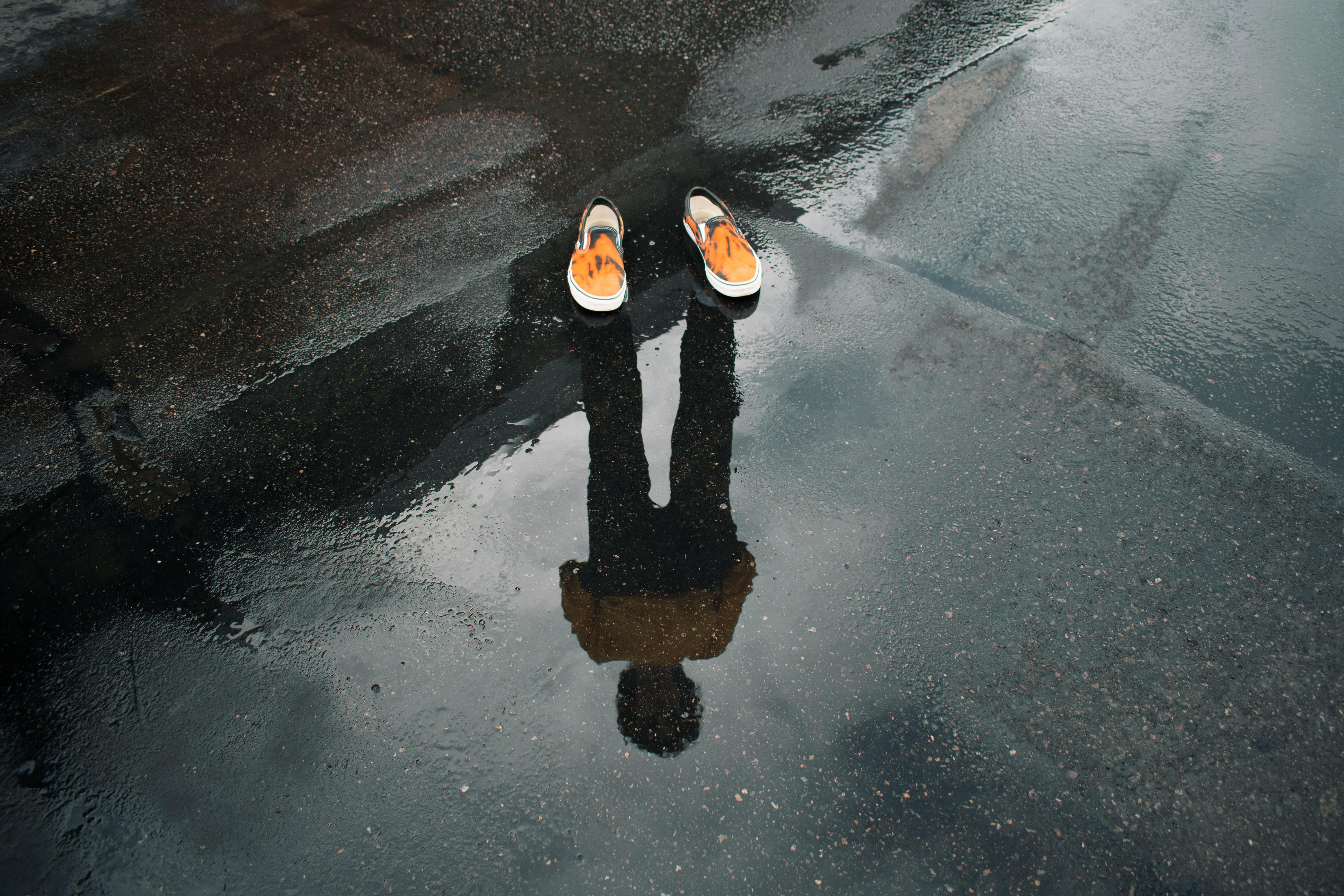
As we begin to become aware of the hide response, it can reveal many hidden aspects. We can encourage this process in a safe and more controlled environment when we make space and time to reflect and invite our experiences, hidden behaviors or responses to be acknowledged.
To begin the healing process, you may want to spend some time reflecting on the idea.
Consider all the ways that you either consciously hide or realise you are unconsciously hiding yourself. That can be from yourself, your close social circle, community, or the world.
As yourself, have I ever hidden as a trigger response? Look at your immediate behaviour when recalling the event. If this is partially triggering, avoid this activity until you have processed some of the fear or triggers for this event. You can use our Video Replay Technique to explore this from a safe distance.
Explore: How am I hiding myself now?
-
Get clear on your patterns, habits, choices or behaviours and figure out why you are still hiding.
Look at the justifications for hiding you have made.
Consider what stories you have created that reinforce your hiding tendencies.
As you explore these ideas and bring them to awareness, it empowers you to begin to make new choices. To explore ways to regulate your body, calm stress as you consider expanding your experience and coming out of hiding in different ways. You can also begin to create new narratives and meaning behind what has been revealed to release the fear or need to hide.
Taking tentative steps to show more of yourself, try new things and choose to be seen builds confidence, allows us the opportunity to face our fears and heal through experiences as we process what happens when we more fully re-engage with the world.
Further Support
If you struggle with trauma responses, have experienced complex or relational trauma and have noticed you are stuck in hiding or find it difficult to manage other trauma responses, I recommend our Complex Trauma Recovery Course.
We explore body, mind, spirit and how our trauma can affect our relationships and environments. We look at holistic and natural ways to heal trauma and recover.
You might also benefit from watching the YouTube playlist How I Healed Through Complex Trauma
I also recommend reading the following blog posts:
Read about how Love School Started & How to make the most of the space here
Introducing Love School
Love School began with real experience and, after years of experimenting, research, and personal understanding of healing and recovery through natural, holistic methods.
Read our dedicated blog posts explaining what the space is about, why it was created and how you might use it to support your own healing or recovery journey.
Love School Pathways
What is Possible In Natural Recovery?
Love School Origin Story
Join Our blog Mailing List!
Share your details here to have our blog posts delivered to your inbox for free!
Looking to Explore More...
Blog Categories
Browse More of our blog Posts!
We cover a holistic range of blog categories to support the different stages of your healing or recovery journey.
As part of an ecosystem mindset, we offer insights into the interconnected areas to consider to create a balanced lifestyle.
Browse through our other blog categories below:
Browse Love School Shop!
Explore Love School Courses, Membership & support Services