Becoming Ourselves!
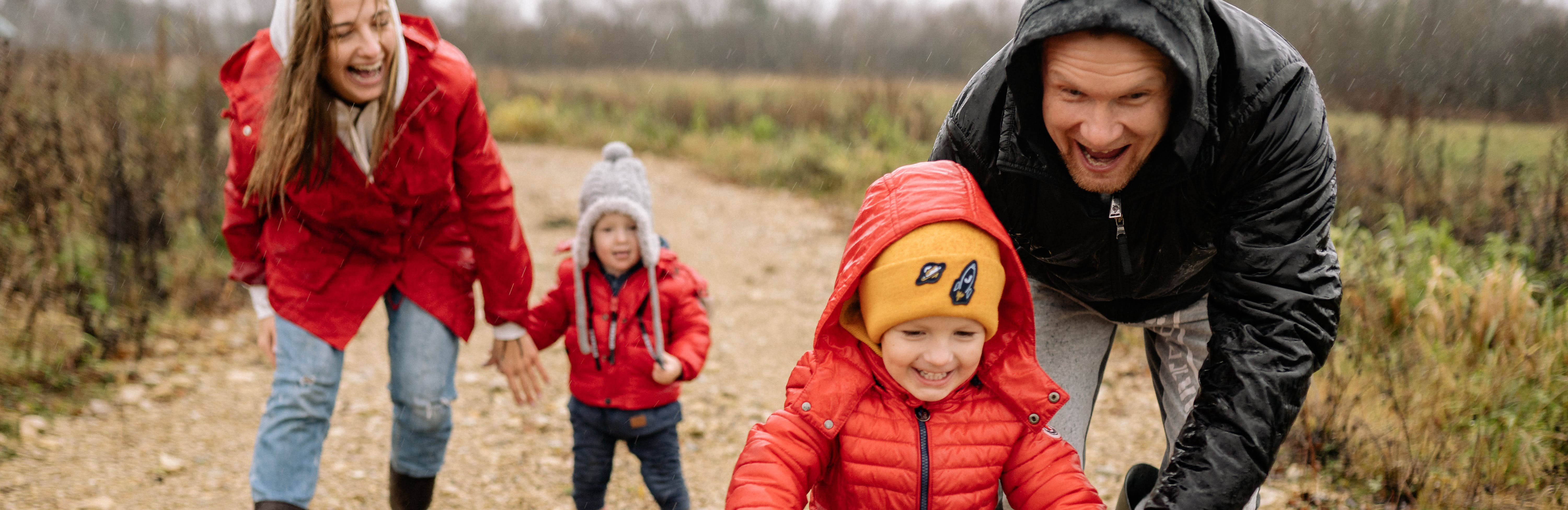
When we are born, we are in a receptive mode. Our young minds are designed to be like sponges. We take in all the information we see, hear, taste, smell and feel...without question.
We are born in this mode of learning with limited consciousness, so we can take in as much information about our environment as possible. It is an evolutionary part of our development that helps us to survive. Human babies are born in a particularly helpless state, and it serves us well to grow quickly.
As we grow and we adopt a language, a role play begins. By calling our parents "Mam" (I'm northern) or "Dad", we attached a narrative and a thread of information (a pattern and association), we assigned a meaning to events or ideas we had and that all got categorised in our minds. We decide as we grow that this is what being a mother means and this is what being a father means.
Our experience with those roles constantly updates this association. Especially in young children up to around the age of seven. After that, we are more able to comprehend what it means to be a mother or father through our experiences with others and the education we receive.
That understanding serves us fine as children. It's how we learn to behave and please our parents or caregivers. It is how we understand what the role of parenting is and what we should expect from our parents as we grow.
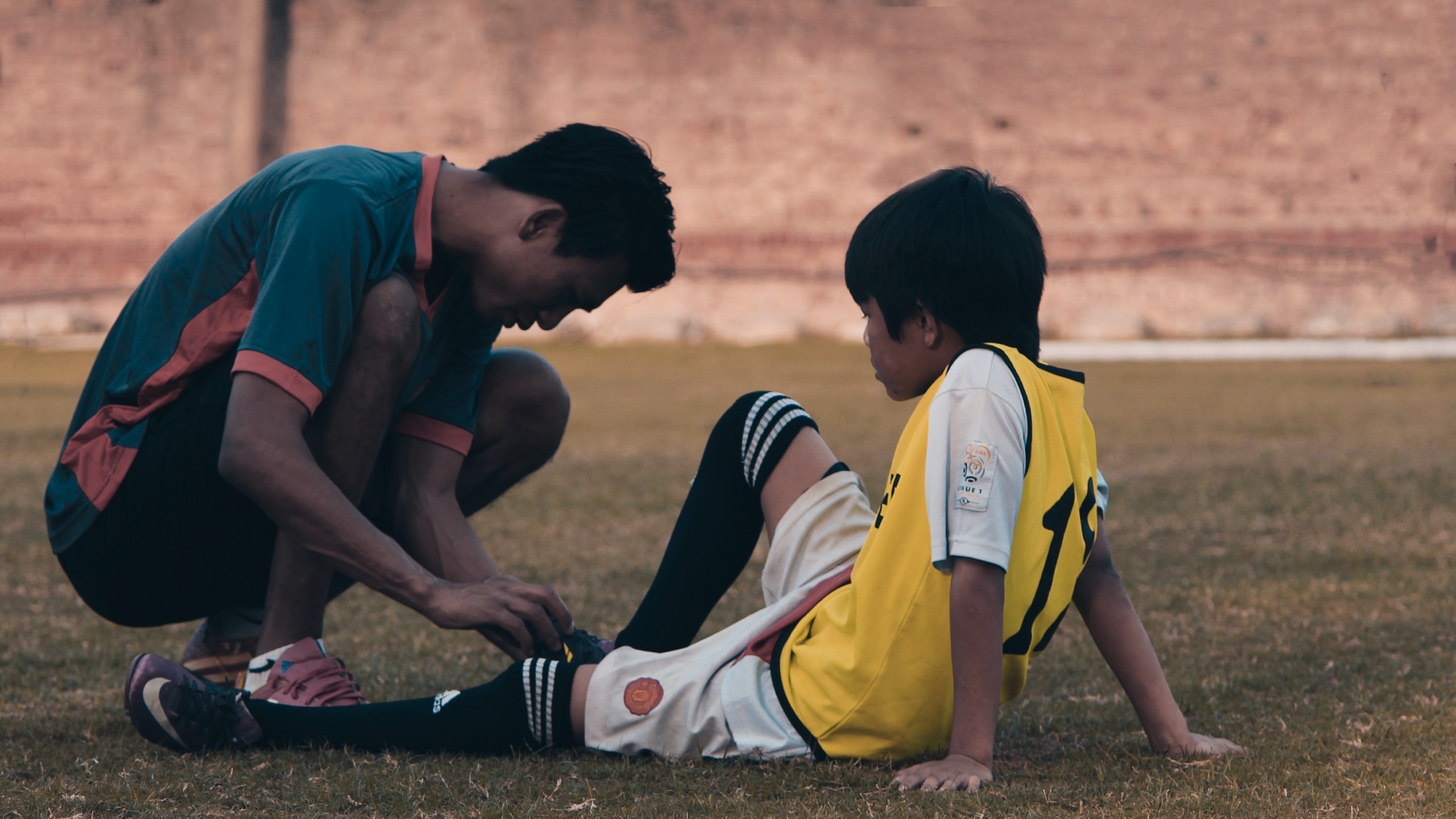
When we become adults and leave our families, we hopefully have learned how to take care of ourselves. We become more and more responsible for ourselves; we are parenting ourselves based on the information we have gathered. We do it automatically without thinking about whether what we have learned is helpful and supportive to us or not. We might begin making new choices about our lives, trying new things or living in different ways to our parents and not see much of this conditioning consciously.
That is, until we become parents ourselves, or we have to adopt a parenting role, or some sort of life crisis forces us to consider how we are living our lives.
It is perhaps the easiest to understand when I describe the associations that come into play when someone becomes a parent. Because when they become a parent, they have learned they are then expected to be, do and respond in a certain way. The manifestation of this trend can be similar due to other causes, but this is the most obvious way we can suddenly find that we have indeed become our parents.
What happens is as soon as we say to ourselves "I am now a Mam/Dad" or we prepare that we are a mother or father in our mind, it starts playing the programmed role we have associated with that name as a child. Regardless of what we have learned as adults, because we are in a new situation, one we have never experienced before, like being a baby, our subconscious mind kicks into autopilot, and we begin playing the role we observed as children within the associations we made back then.
We have evolved to do that because it's more energy-efficient to recall the pieces of information we so easily absorbed while we were young, vulnerable & open. When we then become parents and have a duty to fulfil the role of caring for another vulnerable being, it is stressful. We don't want to be wasting valuable cognitive processing energy to make decisions about what to do and how when we are busy, needed and tired. Playing the role with ease is a requirement of evolution that has helped us to survive.
So why would that be a problem?
It can be a problem because, despite all the additional learning we have made through our education and our own experiences, we resort to this original programming if we aren't conscious (aware) of it. It can be a problem because no parents are perfect. It can be a problem because times change, and our parents may have lived or acted in ways we as adults do not want to, as we either parent ourselves or our children.
If you had a pretty good set of parents who did a pretty good job raising you, then it's not going likely going to be a huge problem. You're probably pretty stable; you survived and became healthy enough to have a child or live as long as you have, so you'll likely raise a child who will also survive.
However, if you had abusive or neglectful parents or if the world and environment evolved so rapidly, half of what you learned is irrelevant or unacceptable. If you reach a crisis point due to your autopilot, become ill or realise you need to change, you can harm or hurt yourself and others. This unconscious autopilot can cause us to be aggressive, develop anxiety, depression or addictions as we live within the unhealthy patterns we learned, or we repress our true selves under the false guise of pleasing our parents.
Often it is not until we realise we are perpetuating parental patterns that, when it gets so bad, we see ourselves making the same mistakes or worse, causing the same harm to our kids.
This is what people often call "family karma" or "Generational Trauma", and it can pass on for a long time. Repeating cycles, patterns or habits can be commonplace until we hit a pivotal moment of realisation.
Rather than treat the symptoms, assume we are broken, align with ideas we are mentally ill or have some physical limitation, this is when reparenting and inner child work is required. It is work we can do to recondition our subconscious mind and consciously reparent ourselves or split aspects of ourselves from childhood wounding. It takes time and effort, it's not easy, and it can get emotionally messy. This is why so many people avoid it, and our minds, always seeking easy solutions, will most often choose to bypass this phase of adult growth.
But after doing this work, the results make a huge difference. It is possible to change these autopilot patterns when you are willing to do the work. Inner child work and reparenting can take anything from three months to several years, depending on the amount of reprogramming required and the trauma experiences you have had. But through doing it, you can find yourself free from the control of childhood wounds, soothe depression, evolve past anxiety, overcome addictions or heal chronic stress symptoms.
At Love School, we have a course dedicated to exploring this dynamic. Our Inner Child & Reparenting course is designed to guide you through this process and provide you with the skills and tools you need to do this work yourself. You are welcome to join us there if you think you could benefit from this work.
The Ready for Love Glow Up is focused on building your self-confidence, connecting with yourself, improving health, well-being and fitness, as well as understanding your deeper needs and motivations. We follow a life design process that creates a self-focused, nurturing lifestyle, helping you get ready for aligned, healthy relationships.
The process is specially designed for beginners and is an introduction to understanding the benefits of holistic well-being.

Simply follow the link to the product or send me a message to chat further about how it could help you.
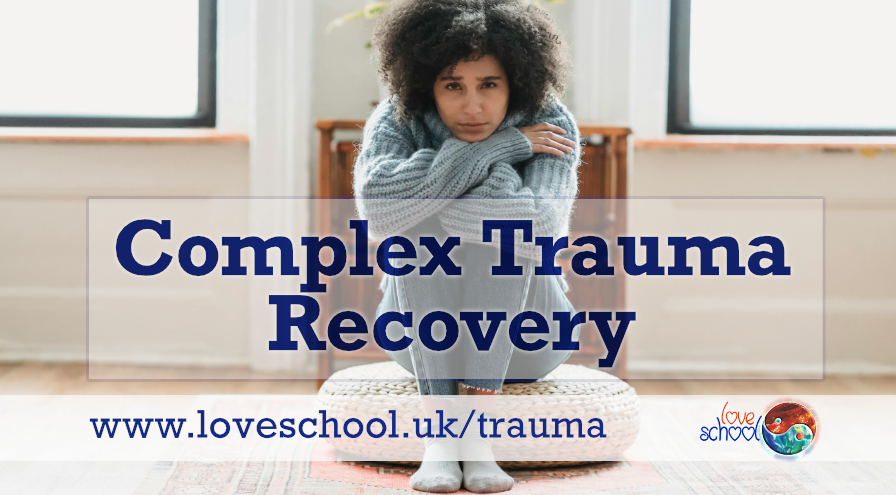
If you struggle with complex trauma due to early experiences or the effects your childhood relationships have had throughout your life, you might benefit from the Complex Trauma Recovery Course.
We explore holistic recovery and offer regular sessions as you heal from the effects of trauma in your life.
Read about how Love School Started & How to make the most of the space here
Introducing Love School
Love School began with real experience and, after years of experimenting, research, and personal understanding of healing and recovery through natural, holistic methods.
Read our dedicated blog posts explaining what the space is about, why it was created and how you might use it to support your own healing or recovery journey.
Love School Pathways
What is Possible In Natural Recovery?
Love School Origin Story
Join Our blog Mailing List!
Share your details here to have our blog posts delivered to your inbox for free!
Looking to Explore More...
Blog Categories
Browse More of our blog Posts!
We cover a holistic range of blog categories to support the different stages of your healing or recovery journey.
As part of an ecosystem mindset, we offer insights into the interconnected areas to consider to create a balanced lifestyle.
Browse through our other blog categories below:
Browse Love School Shop!
Explore Love School Courses, Membership & support Services