The Power of Validation & How to Find It When Healing
I would like to begin by clarifying that I do not agree or align with the idea that many conditions often labelled as or resulting in common diagnoses for mental health disorders have much to do with mental illness. Often conditions such as depression, anxiety or other symptoms of many pathologised disorders are actually healthy, natural and understandable symptoms manifested from exhaustion through challenging circumstances, a lack of tangible support, untreated trauma, and misunderstood emotional responses.
Often they aren't actually conditions of disorders that are based in the mind; they are responses to stress, neglect (of self-care) or emotions that are felt in the body. Often, the reasoning for our lack of attention or processing of these sensations has become entangled in the societal conditioning that we should be able to think or reason our way out of our innate and primal responses to ongoing stress, isolation or trauma.
At times, the thoughts we have that reinforce or keep us stuck in the condition, preventing us from moving on, changing, or processing, may have a mental component to be considered, but the idea that the experience is an illness or the symptoms themselves are rooted in a brain dysfunction or a mind disorder does not seem to be the case for many people. Especially those who have experienced abuse, neglect or ongoing traumatic or prolonged stressful life experiences.
For example:
It is not wrong to think “I am going to die” or be anxious due to the ongoing thoughts of potential death if you have lived with a violent alcoholic who does tend to lash out for no reason and hurt people. The thought is valid, the feelings are valid, and the condition is real.
It is not wrong to feel anxious about becoming homeless, developing compulsive habits or turning to addiction to calm your nerves if you have no job, can not find stable employment and are being threatened with a sanction to lose your benefits income, resulting in potentially losing your home.
It is not disordered to feel depressed after struggling with grief for several years and being left isolated when your closest family member died suddenly, and you were left without a support system and were not offered any way to recover or process your grief.
These responses can't be simply medicated or brainwashed away; rather, what they need is to be validated and understood as a part of being a human, living and experiencing many challenges of life. So that they can be redirected, processed or released, as required, to cope in more life-affirming and appropriate ways.
This is essentially having a trauma-informed, trauma-aware and emotionally validating approach to healing.
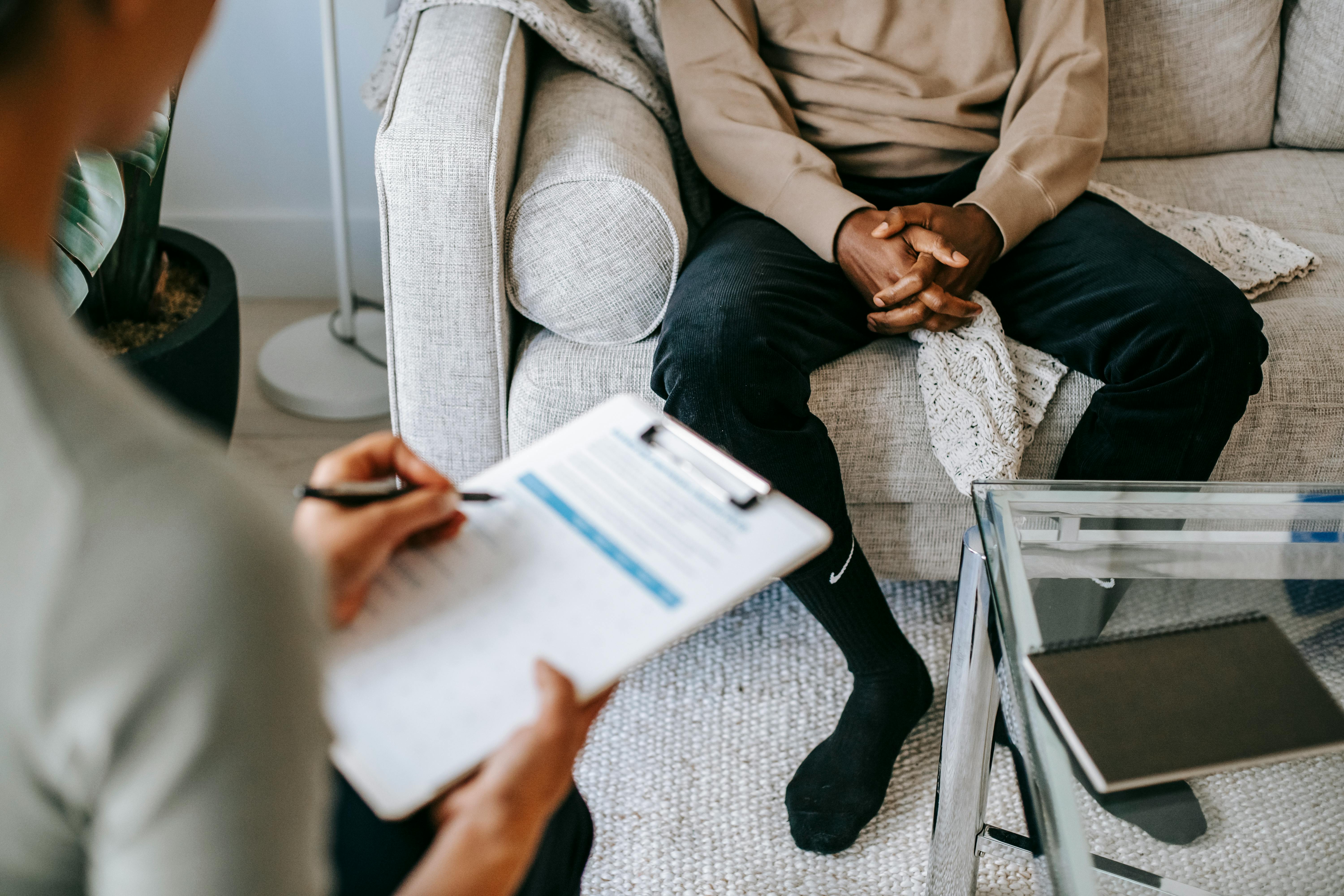
Sadly, many doctors, councillors, therapists who are trained through book smarts and old psychiatric indoctrination do not understand this. They have been taught that certain conditions, responses or coping mechanisms, emotional expressions or ways of behaving are due to mental dysfunction, unverified brain chemicals or some medical malfunction of the body. Their support, therefore, can actually encourage further avoidance or repression of what is happening for their patient and invalidate and re-traumatise people, making them feel worse and not better.
We have also been conditioned by society to place these caregivers and people with doctorates on a pedestal, assuming that way is scientifically proven and therefore correct, and we are taught it is not appropriate to question their ideas or practices.
In reality, there is much debate, and it is suggested, little scientific evidence of most medical disorders in psychiatry. They are based on theories and rooted in a history of discrimination, experimentation, assumptions and pathologising anyone different or difficult (within the capitalist, performative system). But because they have been reinforced for so long and we have created a culture that prioritises medical approaches and academic or scientific success, that means we also fail to question the systems that create or benefit from these ideas and theories. We are often creating a power dynamic which actually keeps people in a state of perpetual victimhood instead of offering real support and grounded healing and recovery paths.
Many cultures in the world do not have these disorders, or follow medical treatment for mind or emotionally based conditions of struggle or suffering. These cultures then also do not have a population of stuck, chronically or mentally ill people or high rates of suicide.
This is why many people in Western medicine suffer from long-term mental health disorders that are never properly treated. They are labelled as lifelong, incurable or needing extreme treatments or control measures as recurring “mental health” problems or crisis patterns. People are medicated rather than offered real support and life skills that aid the deep healing or lifestyle changes required to create an environment or culture of long-term wellness.
What is more important when seeking healing or recovery after trauma or when realising one is trapped in a state of perpetual emotional or mental distress, is to have someone you connect with. Been acknowledged in a real, human way. Have another person, within a mutually respectful relationship, who you know understands you or what you have been through, who is also self-aware and able to hold space without their own biases.
This role is more than just qualifications or training, which can be important to some degree. For many centuries and in many cultures, these people were often our friends or family, spiritual guides, community mentors or even the elders of the village we lived in.
Therapy and validation are better when it comes from someone we trust. This can be someone we consider to be our equal, someone we look up to or who we can connect with and trust beyond just their credentials. This is why being designated a counsellor or therapist at random often isn’t helpful. It can be a literal lottery and fail to support us. Even if the treatment may have been what we wanted, needed or had waited for.
It is not the place of a therapist or counsellor, of course, to give you all the details of their trauma or recovery, but very often we feel whether someone has had experiences similar to ours and whether or not they are capable of understanding us. We resonate with people who can support us, and when this innate and required resonance (that happens on an energetic level) isn’t present, the support can fall short.
When someone has been through recovery themselves, integrated it and is thriving beyond it, even if we look up to them or admire them as being beyond where we are now, we know they can relate to us. It validates that you can also get where they are, and it confirms to us that recovery is possible, so you can move on and you can move past the current pain you are in.
Appropriate validation is vital to the early stages of healing and recovery.

Beyond simply empathy or compassion, which can certainly help or feel temporarily soothing, the stage of feeling and being validated in our stress, trauma, or challenge can be the key to releasing us from it. A stage of closure for the seeking of some sort of release and rite of passage that declares, “yes, you are right, and now you can take the next step”.
What needs to be validated is not only where you are now but also what you have been through and the appropriate nature of your responses, even if they have gotten extreme or manifested in inappropriate ways at times. We also need our future recovery, potential, dreams and desire for healing to be validated to achieve the momentum or reassurance we need to move towards it.
If we can't do this ourselves, this is when choosing a mentor, coach, or therapist comes in.
A good mentor, coach or therapist can not only validate your experience but also provide you with guidance, tools and skills you need in order to validate yourself, for the rest of your life. It's the difference between giving someone a fish and teaching them fishing.
Real, life-changing and transformative healing comes from having and using the skills and tools that help us integrate, heal from and then navigate through our experiences and validate our responses to them.
A great mentor, coach or therapist will also help you to recognise and create boundaries where you have been inappropriate or where your responses have become damaging or harmful to yourself or others. This is important.
What is also important is that they don't do this through shaming you or dismissing your responses, but by trusting you, believing in you and empowering you to be able to recognise, manage and adapt to the realisation of when your responses or behaviours are crossing a line that you have decided you do not want to cross.
When a therapist or someone we trust blames our natural responses on an illness, suggests we are innately wrong to be as we are or that we are broken, disordered or faulted in some way, it can harm and stifle our progress and potential for healing and recovery.
When choosing someone to work with, especially when addressing your most intimate struggles and deep pain, you have to trust them, and you have to trust yourself.
If it doesn't feel right, if the connection is unbalanced, if your intuition tells you they won't understand, it is very likely not the best fit for you where you are right now. Even if you like, respect, or look up to the person with whom you might want to work or who you have been assigned to work with.
What's most important is to remember that being shamed, having your feelings and responses dismissed or being labelled and told you are “incurable” or “broken” or “damaged for life” is a red flag warning sign and is not going to support your journey towards healing. Learning to trust that and walk away from it, as soon as you notice it, especially from caregivers, is essential.
We always have the right to say no, ask for a second opinion or refuse care from someone or something we don't align with.
Regardless of our current situation, we can learn, change, adapt, and grow. Even with a tragic or irreversible condition or disability, we can learn to evolve to accept, embrace and find peace with that, allowing us to live without mental or emotional distress due to that condition or experience. So, it is also true for most mental illnesses and many (if not all) types of emotional wounding and trauma.
With the right support, approach and environments, we can:
Learn to calm ourselves and regulate our nervous system.
Process emotions and learn to develop emotional intelligence or insight that benefits us in the future.
Recondition our minds to offer supportive and helpful ideas or guidance.
Improve our wellness and reduce the physical health implications we might be currently experiencing. We can heal as our body is naturally designed to do.
Learn new skills and grow as we find better ways to respond to life events.
-
Develop new habits, behaviours and neural pathways that support all new ways of living, respond to our way of being.
When we are validated and our commitment and dedication to healing and recovery are affirmed, we open a whole new possibility and potential for healing and recovery. Especially when we see, through the experience of others, that this potential is possible for us, seeing it was realised by them.
This is the power of validation, through appropriate therapy, great support and aligned mentorship.
Additional Support
If you enjoyed this blog and are currently struggling to find appropriate validation, you might find the following resources helpful:
I recommend watching our video, Self Validation & Why it is Important for Good Mental Health & Well-being
Read the blog post, Self Validation, How To Do It & Why it’s Important.
Our courses that would most benefit you, that you can start yourself at home, are:
Natural Holistic Recovery Course offers an in-depth look at how to use life design to create your own recovery path to find natural healing solutions, including through the process of finding any appropriate solutions, therapy, or validation.
If you have experienced early trauma or are struggling due to complex trauma or the related symptoms, I recommend our Complex Trauma Recovery Course.
You will benefit from a step-by-step, holistic, natural healing process and a supportive community with regular group support sessions.
For more personalised support, in our six-month mentorship programme, validating your experience is one of the main things I help trauma and abuse survivors with to go from confused and anxious or “mentally ill” to confident, aligned and empowered.
We also work on gaining clarity on what works for you in your healing journey and confidence in expressing yourself to anyone, including caregivers and your support circle.
To find out more and apply, click the button below.
Read about how Love School Started & How to make the most of the space here
Introducing Love School
Love School began with real experience and, after years of experimenting, research, and personal understanding of healing and recovery through natural, holistic methods.
Read our dedicated blog posts explaining what the space is about, why it was created and how you might use it to support your own healing or recovery journey.
Love School Pathways
What is Possible In Natural Recovery?
Love School Origin Story
Join Our blog Mailing List!
Share your details here to have our blog posts delivered to your inbox for free!
Looking to Explore More...
Blog Categories
Browse More of our blog Posts!
We cover a holistic range of blog categories to support the different stages of your healing or recovery journey.
As part of an ecosystem mindset, we offer insights into the interconnected areas to consider to create a balanced lifestyle.
Browse through our other blog categories below:
Browse Love School Shop!
Explore Love School Courses, Membership & support Services