Communicating Emotions without Blame

It can be very challenging to feel strong emotions in response to a situation that occurs in our lives. When other people are involved in the circumstances or if a conflict has arisen in a relationship, it can be easy to blame other people. We tend to do this to seek relief from our feelings or deflect some responsibility externally by projecting our feelings onto others.
It's often common to hear people say things like "I'm angry because of you!" Or "You are such a disappointment", or "You make me feel amazing", but these expressions aren't based on the full truth.
No one else can make us feel anything.
We feel emotions in response to others or situations because of our internal landscape. This is due to how we think or the beliefs, expectations or values we have. Emotions are the sensations arising in our body to show us how to respond to the present situation, and whether we are enjoying it or not. It shows us if the experience is aligned with our desires and personal preferences.
People can cause us to have an emotional response, but it is the effect it has on our internal system, which they can not control, that we are feeling. We are the only people able to control, change or affect our internal, emotional, and energetic system and choose how we respond to it.
When communicating emotions, we can often get caught up in the feeling of it rather than the observable reality of what is currently happening. We can be entangled in the attachments, connections or history we have with a person, which takes us away from the present experience and into our bodies and minds.
Learning to express ourselves and using our emotions to understand our internal landscape can improve our communications and negate unnecessary conflicts. Especially when we can step outside of playing the blame game and stop feeling defensive in what are safe situations. When our nervous system is relaxed, our emotions can be messages and a tool we use to understand how we are responding to the unseen world or connections around us.
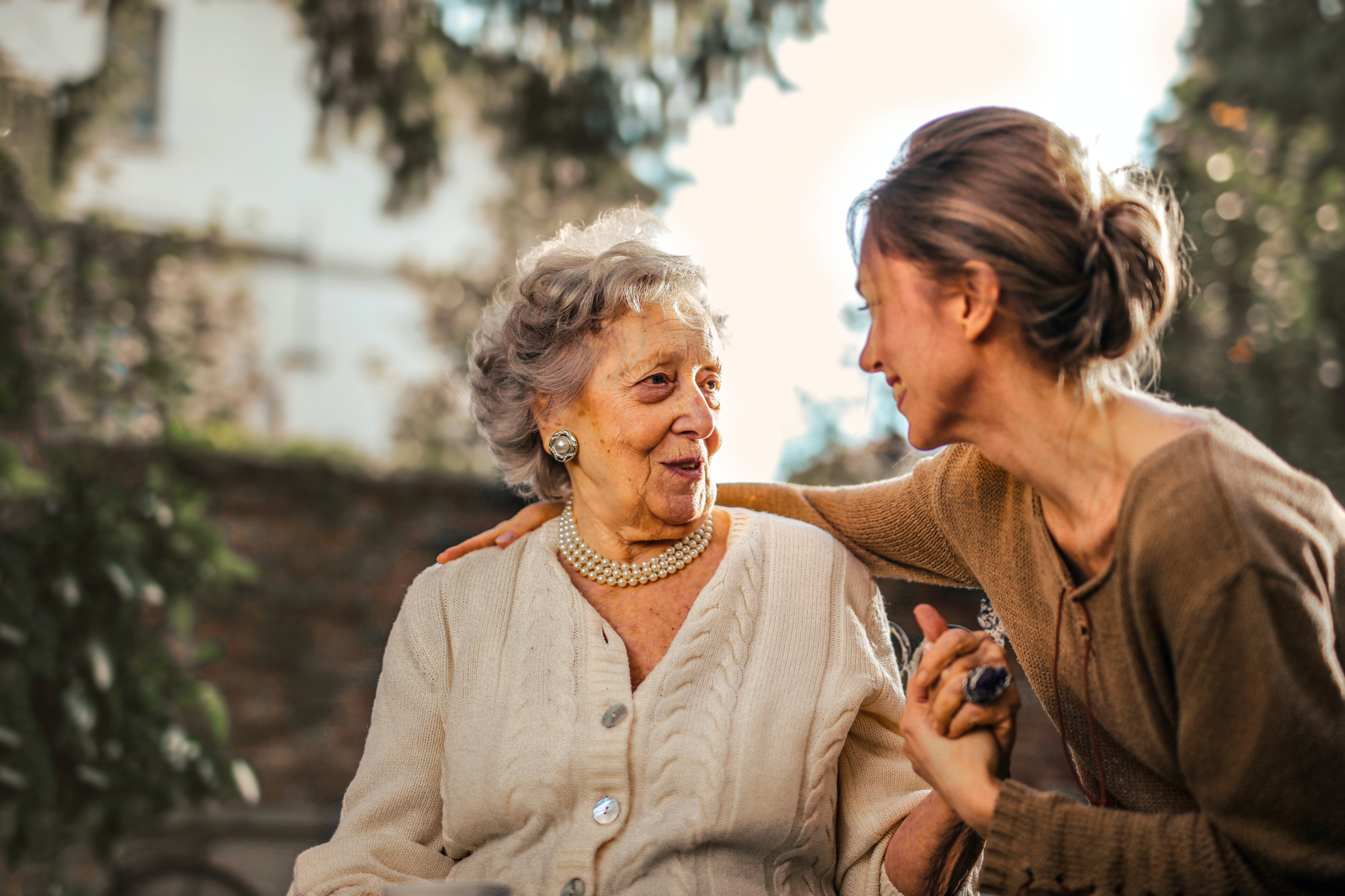
In non-violent communication (NVC), we seek to express emotions without blame or projection from a space of self-responsibility, self-awareness, empathy and personal accountability. We do this because in the reality of a non-violent life, that doesn't intend to harm others, we know the only things we can change are our responses and actions.
In NVC, all feelings/emotions are thought to arise from met or unmet needs we have. NVC uses a simple formula for communication which involves clear observation, empathy and understanding communication from the perspective of meeting needs.
To use NVC, we get curious about our emotions (or someone else's) and what the underlying needs are that drive the feelings and the resulting attempt to communicate them. These are identified and expressed alongside a request to meet the need seeking satisfaction, through the emotional (energetic) message.
To build our NVC skills, we first need to explore and identify our feelings and emotions. Learning what they are, how they feel and what words best describe the sensations we have.
Feelings are always paired with our underlying needs. When we dive deeper into an emotion or feeling, we often find it is linked to something we desire for ourselves or want to avoid. Understanding these underlying needs brings our focus to ourselves and our internal landscape. Helping us understand our energetic drive and motivations.
When we express this, it might sound like this: "I'm feeling hungry because I need to eat." Or "I feel sad because I need understanding".
Understanding our feelings and needs helps us to know what we value in life. It supports us in navigating the world with more intent and connecting with others more authentically.
We can also use the same ideas to help understand other people, their internal landscape, feelings, needs and values. For example, if we think someone is upset with us, we can reflect this to them with curiosity and ask, "Are you upset because you need validation?" Regardless of whether our guess is correct, we are building our empathic skills and showing care and compassion for the people around us.

NVC is based on observations we make. Rather than read between the lines or make assumptions, we use the real actions that have occurred to base our communication on. These actions would be the things we could see if we were watching a video replay of the event.
For example, "When you cry, are you upset because you need validation?" Or "I raised my voice because I feel angry and need respect". When we do this, we take the blame from other people and instead put the attention on an action. This makes communication less confrontational, and we are less likely to become defensive and find ourselves in an argument.
Often, when we recognise a need, we want something to be done differently. We want to request a change in someone's actions or in the circumstances we are facing. In NVC, we add requests to our communications as a suggested solution. Requests are not demands we make on others; they are open to a response and are posed as a question. We would say something like "Would you be willing to..." or "Are you able to... instead?"
When we make requests, we understand we can not and don't have the right to control other people. We allow a non-violent space to be opened between us. They can make a choice, free from coercion. This builds and strengthens connections and prevents harmful power games or feelings of resentment from building.
When we know the people we are in a relationship with want us to be willing, safe participants in the connection, we can build stronger, healthier relationships.
It takes time to build new communication styles and form healthy relationship skills. It doesn't happen overnight. NVC is just one tool to support a new awareness in communication. As we build an understanding of ourselves and our emotional lives, we also become more respectful and considerate of others' emotional experiences. But we can feel vulnerable at first.
We are often not taught these basic skills of communication as children. But with practice, self-empathy, mutual compassion and a willingness to learn, our communication styles can improve and change over time. This will allow us to be more honest and authentic in our expressions, without fear or feeling a requirement to censor our experiences to protect ourselves and others.
Additional Support
If you would like to improve your emotional intelligence and practice separating your thoughts from feelings and understand what causes us to respond to the external world, download our free I Think, I Feel, I Observe PDF!
This simple guide helps you to identify and differentiate our thoughts from our feelings and connect them to the external stimulus that caused our responses. It is really helpful as an early stage process of self-awareness and developing emotional intelligence.
If you have struggled with emotional expression or intelligence, and have found yourself feeling stuck or unsure about your communication and expression with others, Love School is hosting a range of experiences and a course (as part of our Mama Bear Mentorship programme), Emotional Expression & Regulation.
The six-week course combines not only our sensory expression of body, mind and spirit but also develops our artistic and Non-Violent Communication skills to learn how to express verbally without adding blame or conflict as part of our interactions with others.
This small group programme includes working together and alone with one-to-one support to explore how to express emotions in a healthy, controlled manner, finding confidence and peace to allow us to be more honest with others and energetically engaged with our lives.
Find out more by following the link below.
To access the course and work through the content alone, use the Emotional Expression & Regulation Course.
Often, underdeveloped emotional intelligence can be caused by emotional neglect or rooted in our childhood experiences. Our at-home courses, Inner Child Healing & Reparenting, can be invaluable as part of your recovery and development when learning and understanding emotional intelligence.
Prefer Video Content?
Watch this video as Terri explains why emotional regulation is so important right now!
Read about how Love School Started & How to make the most of the space here
Introducing Love School
Love School began with real experience and, after years of experimenting, research, and personal understanding of healing and recovery through natural, holistic methods.
Read our dedicated blog posts explaining what the space is about, why it was created and how you might use it to support your own healing or recovery journey.
Love School Pathways
What is Possible In Natural Recovery?
Love School Origin Story
Join Our blog Mailing List!
Share your details here to have our blog posts delivered to your inbox for free!
Looking to Explore More...
Blog Categories
Browse More of our blog Posts!
We cover a holistic range of blog categories to support the different stages of your healing or recovery journey.
As part of an ecosystem mindset, we offer insights into the interconnected areas to consider to create a balanced lifestyle.
Browse through our other blog categories below:
Browse Love School Shop!
Explore Love School Courses, Membership & support Services